

Drew Kirkman
Director of Brokerage Operations and Sales,
BADGER LOGISTICS
Author BIO
Drew has almost 20 years of transportation and logistics operations experience. He brings a proven track record of leading cross-functional teams to design and implement operational improvements that drive efficiency and reduce costs for shippers.
Key takeaways
- Full Truckload (FTL): A dedicated truck for your shipment. Best for large loads (15,000+ lbs), time-sensitive freight, or high-value goods that need minimal handling.
- Less Than Truckload (LTL): Your shipment shares space with others. It’s most economical for small shipments (1-6 pallets), but involves multiple touches and longer transit times.
- Partial Truckload (PTL): The middle-ground option. It’s ideal for mid-sized shipments (4-18 pallets) that are too big for economical LTL but don’t fill a truck.
- Making the choice: Consider size/weight, time sensitivity, and value/fragility of your freight to determine which option offers the best balance of cost and service quality.
Badger Logistics provides integrated FTL and PTL transportation solutions combining asset-based trucking, brokerage services, and warehousing to overcome Wisconsin’s unique logistics challenges. Learn more about our Wisconsin shipping expertise or get a competitive rate quote to join 500+ shippers solving their freight challenges with one call.
A brief introduction
Freight shipping can be confusing. When you’re trying to figure out the best way to move your product, you’re hit with all these acronyms: FTL, LTL, PTL… and that’s before we even get into equipment types.
I’ve been in this industry for over 15 years, and I’ve seen how these terms trip people up. So let’s break it down in plain English.
First, let’s decode those acronyms:
- FTL: Full Truckload
- LTL: Less Than Truckload
- PTL: Partial Truckload (sometimes called “partials”)
Now let’s get into what they actually mean and when to use them. This guide will help you understand the key differences and, more importantly, know when to use each option.
Full Truckload (FTL): the dedicated option
What is it?
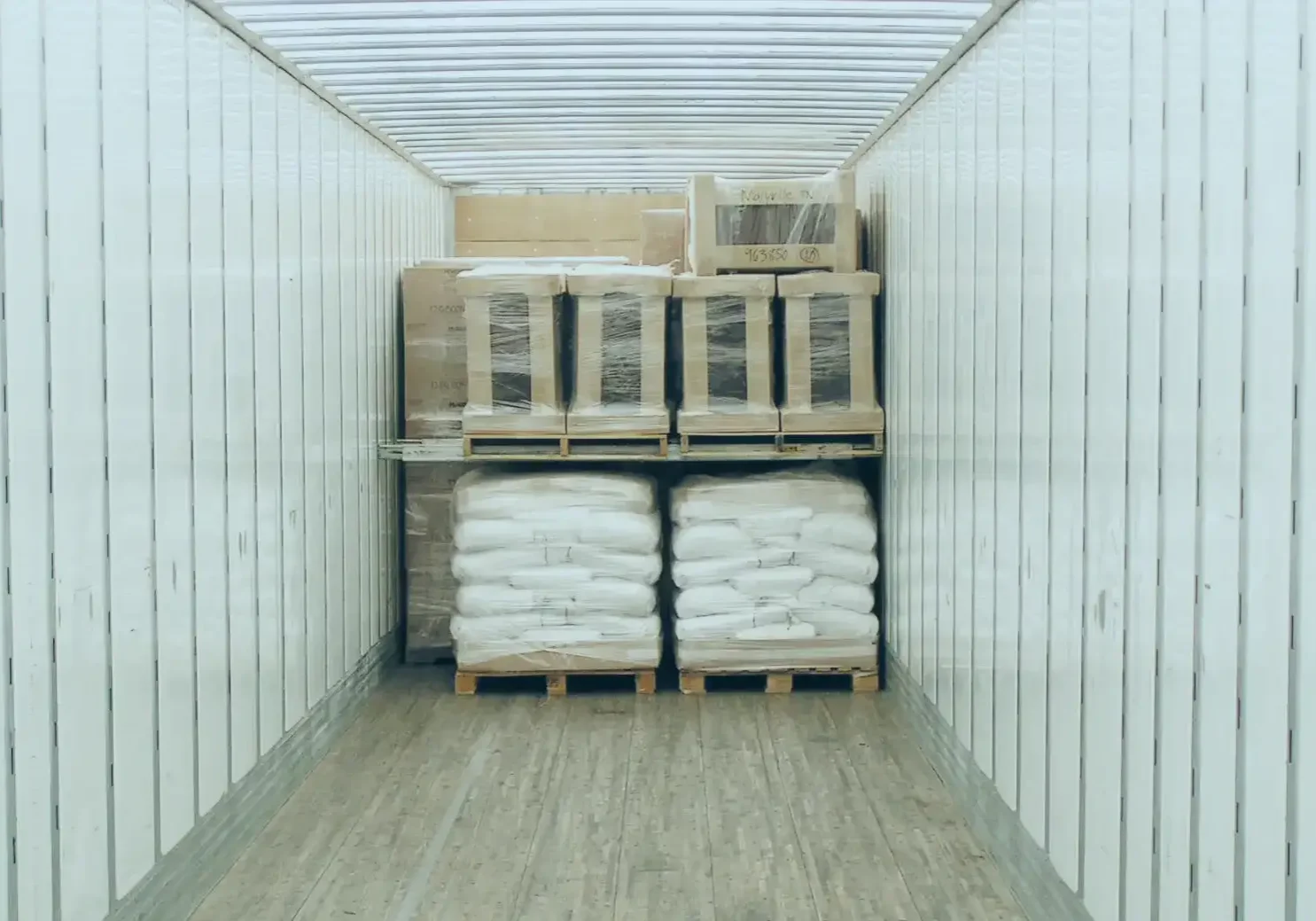
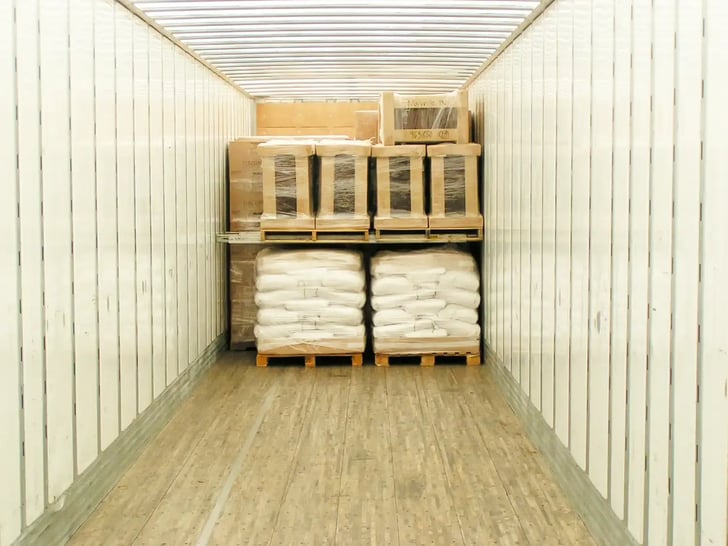
When you book FTL, you’re paying for the entire truck, whether you fill it or not. You’re paying for exclusive use of an entire trailer, typically a 53-foot dry van that can hold up to 45,000 pounds or 26 standard pallets. Your freight is the only cargo on that truck, and it travels directly from your pickup location to the destination without any stops to load or unload other shipments. Think of it like chartering a private jet: the entire capacity is dedicated to your shipment regardless of whether you fill it completely. With FTL, your freight stays on the same truck from origin to destination, minimizing handling and transfer points.
When to use FTL:
- Your shipment is large. Typically filling 24+ linear feet of trailer space or weighing 15,000+ pounds.
- You need speed. FTL moves directly from pickup to delivery with no stops
- You have sensitive or high-value freight. Less handling means less risk of damage.
- You need consistent transit times. No stops means more predictable schedules.
What does it cost?
FTL rates are usually calculated by the mile, with variations based on origin, destination, and market conditions. With FTL, you’re paying for that truck to be exclusively yours, regardless of how full it is.
| The pros | The cons |
|
|
|
My take: If your freight is taking up most of a trailer, FTL is almost always your best bet. The dedicated service and reduced handling make it worth the cost for larger shipments. |
Less Than Truckload (LTL): the shared economy option
What is it?
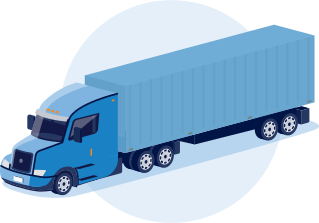
Less Than Truckload (LTL) is a shipping method where your freight shares trailer space with shipments from multiple other customers. Your cargo typically moves through a “hub and spoke” network — first to a local terminal, then to regional hubs, and finally to the destination terminal before delivery. Each shipment is priced according to the space it occupies, its weight, dimensions, freight classification, and distance traveled. LTL carriers consolidate many smaller shipments to create full loads between their terminals, making it economically viable to ship smaller quantities.
Think of it like a bus system. You’re paying only for your “seats” on the trailer, but the trade-off is multiple handling points as your freight is sorted, consolidated, and transferred between different trucks throughout its journey.
When to use LTL:
- Small shipments. Typically 1-6 pallets or under 5,000 pounds.
- Budget is a primary concern. You only pay for the space you use.
- You’re okay with longer transit times. Multiple stops add time.
- Your freight is standard and non-fragile. It’ll be handled multiple times.
What does it cost?
LTL pricing is complex — it’s based on weight, dimensions, freight class, distance, and accessorials. You’re essentially paying for your portion of the trailer.
| The pros | The cons |
|
|
|
My take: Traditional LTL carriers have this down to a science. Their hub-and-spoke system is incredibly efficient, which is why they can ship smaller freight cheaply. But there’s a tradeoff in handling, speed, and potential for damage. I’ve seen plenty of customers save money on shipping via LTL only to lose it on damaged product claims. It’s why we don’t do LTL shipments and instead, opt for PTL when it makes sense for the shipper. |
Partial Truckload (PTL): the middle ground
What is it?
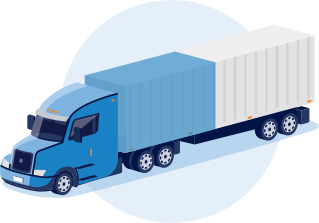
Partial Truckload (PTL) is a specialized shipping option that fills the gap between FTL and LTL. It involves shipments that are too large for economical LTL service but don’t require a full trailer. With PTL, your freight typically travels with just a few other shipments (usually 2-3 others at most) on the same truck.
Unlike LTL, your freight isn’t handled through the traditional hub-and-spoke terminal system — it’s usually loaded once at pickup and unloaded once at delivery, with minimal or no transfers between trucks. PTL carriers typically arrange their routes to accommodate multiple shippers’ needs, picking up and delivering in sequence. This approach combines some of the direct service benefits of FTL with the cost advantages of shared trailer space.
PTL is particularly valuable for shipments of around 4-18 pallets or 4,000-15,000 pounds, which would be inefficient to ship via traditional LTL or prohibitively expensive as FTL.
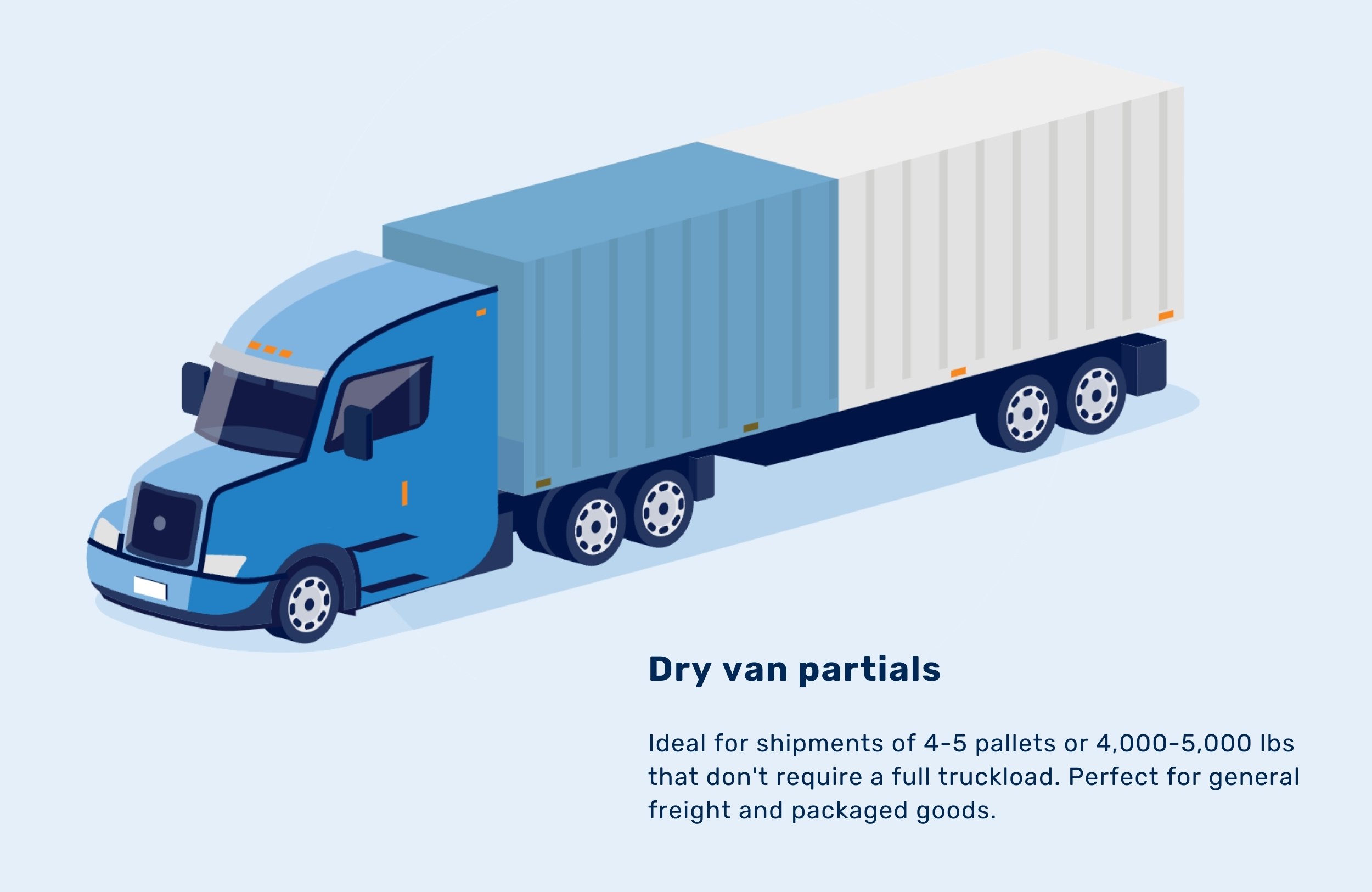
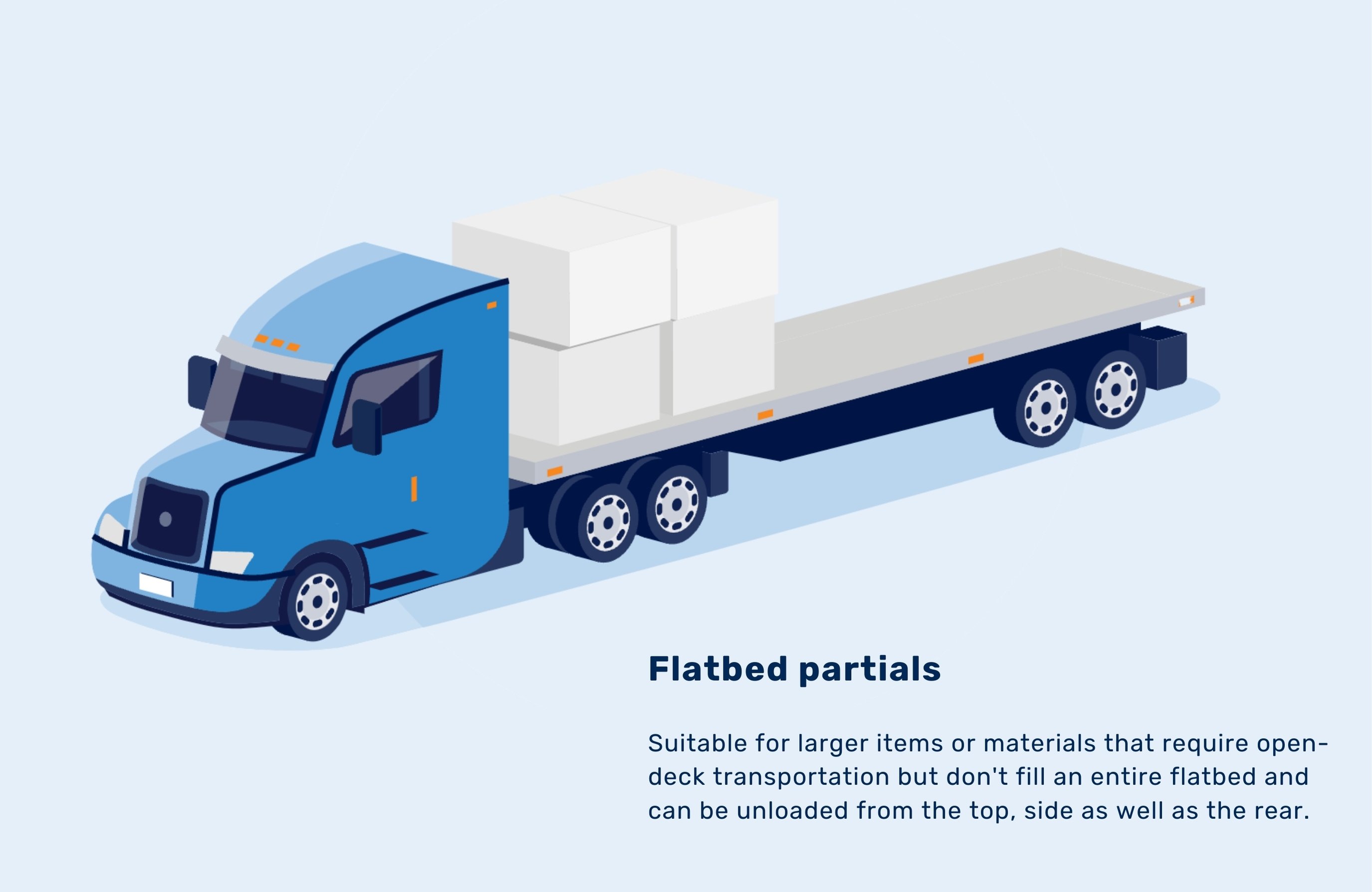
When to use PTL:
- Mid-sized shipments. usually 4-18 pallets or 4,000-15,000 pounds
- You need better service than LTL – fewer touches, fewer damage claims
- You’re flexible on timing – not as fast as FTL, but faster than LTL
- You have freight that’s challenging for LTL – oversized, oddly shaped, or high-value
What does it cost?
Pricing for partials falls between LTL and FTL. You’re not paying for the entire truck, but you’re paying a premium over LTL for better service.
| The pros | The cons |
|
|
|
My take: Partials are the hidden gem of shipping. For that awkward middle ground where your shipment is too big for economical LTL but doesn’t fill a truck, partials can save you serious money while still providing good service. At Badger, we get excited about partials because we can really show our value in this space. The big carriers often overlook it, but with our network, we can find the right capacity for these shipments and save customers a bundle compared to booking FTL. |
How to choose: the simple decision tree
Still confused? Here’s a quick decision guide anyone can follow:
|
A few common scenarios
Let’s put a finer point on this by looking at some actual examples.
Scenario 1: manufacturing componentsYou’re shipping 5 pallets of specialized manufacturing components worth $50,000.
|
Scenario 2: retail productsYou’re shipping 20 pallets of boxed consumer goods to a distribution center.
|
Scenario 3: marketing materialsYou’re shipping 2 pallets of brochures and display materials to a trade show.
|
The bottom line
Choosing between FTL, LTL, and PTL comes down to three main factors:
- Size and weight of your shipment
- Time sensitivity
- Value and fragility of your freight
Get these three factors right, and you’ll be making smart shipping decisions that balance cost with service quality.
Have questions or need a quote? Contact us and let’s talk through your specific shipping needs.
Talk to us for a better Wisconsin logistics experience
At Badger Logistics, we combine asset-based trucking with extensive brokerage capabilities, warehousing, and maintenance services to provide integrated logistics solutions for Wisconsin shippers. This guide reflects not just my personal experience but the collective wisdom of our team, which brings over a century of combined Wisconsin logistics experience to every shipment we handle.
While freight transportation will always involve challenges, the right approach and partnerships can transform logistics from a constant struggle into a sustainable competitive advantage. I hope this guide helps you navigate Wisconsin’s unique shipping environment more effectively.
For specific questions or to discuss your particular freight challenges or to get a competitive quote, feel free to reach out directly or submit the quote request form below. We’ll be in touch within one business day.
Jump to:
- Key takeaways
- A brief introduction
- Full Truckload (FTL): the dedicated option
- Less Than Truckload (LTL): the shared economy option
- Partial Truckload (PTL): the middle ground
- How to choose: the simple decision tree
- A few common scenarios
- The bottom line
- Talk to us for a better Wisconsin logistics experience
Need Wisconsin logistics partner?
“What separates great carriers from the rest isn’t always visible on a rate sheet. After 15 years moving freight through Wisconsin’s harshest conditions, I’ve learned that true logistics excellence comes from combining deep local knowledge with relentless communication. In this region, the carrier who knows which roads get plowed first in February and which construction projects will impact your lanes in July is the one who consistently delivers when others make excuses.”

Director of Brokerage Operations and Sales
Badger Logistics
General Logistics
Wisconsin logistics
Move your freight locally, regionally, and across North America with near-perfect on-time delivery
Badger Logistics is a full-service transportation logistics provider combining asset-based trucking, brokerage, warehousing, and vehicle maintenance services. Join hundreds of shippers solving their complex logistics challenges with one call.
- Asset-based trucking
- Extensive brokerage carrier network
- Food-grade warehousing
Since 1993, Badger Logistics has been delivering customer-focused trucking services to shippers large and small. Managed by a team of experienced transportation and safety professionals, our fleet and brokerage provides local, regional, and long-haul full truckload (FTL) and partial shipment services. We’re strategically located in southeastern Wisconsin between Madison and Milwaukee and less than 200 miles north of Chicago.
Fully integrated logistics
Badger Express asset-based trucking
Reliable transportation across the 48 contiguous states since 1993.
- Local, regional, and long-haul FTL services
- Safe, compliant driver pool with late-model equipment
- 53′ dry van trailers, super wide and less than ten years old (food grade)
- Central dispatch
- Drop and blanket wrap services
- Strategically located in southeastern Wisconsin
- McLeod TMS integrated with Samsara in-cab communication and tracking
- Superior safety scores
- Dedicated customer service reps take full responsibility for ensuring trouble-free movement of your freight from pickup to delivery
Fall River Express freight brokerage
Extensive network covering all your shipping needs.
- 12,000+ annual shipments for 500+ customers
- Access to 15,000+ partner carriers
- Full truckload and partial shipments
- Dry van, reefer, flatbed, and intermodal options
- Door-to-door tracking
- Gold Book rated credit score
Badger Warehouse
Secure, strategic storage in southeastern Wisconsin.
- Food-grade storage (FDA and DATCAP)
- 27 dock doors for efficient access
- 24/7 security monitoring and fire protection
- Flexible scheduling and deliveries
- Consolidation and order fulfillment services
- Cross docking, kitting, and assembly
Badger Truck Services
Keep your fleet rolling with expert repairs.
- DOT inspections and diagnostic services
- Preventative and general maintenance
- ASE-certified professionals
- NAPA-approved auto care services
- Conveniently located in Fall River, Wisconsin
Request a competitive shipping quote
"*" indicates required fields
Success story

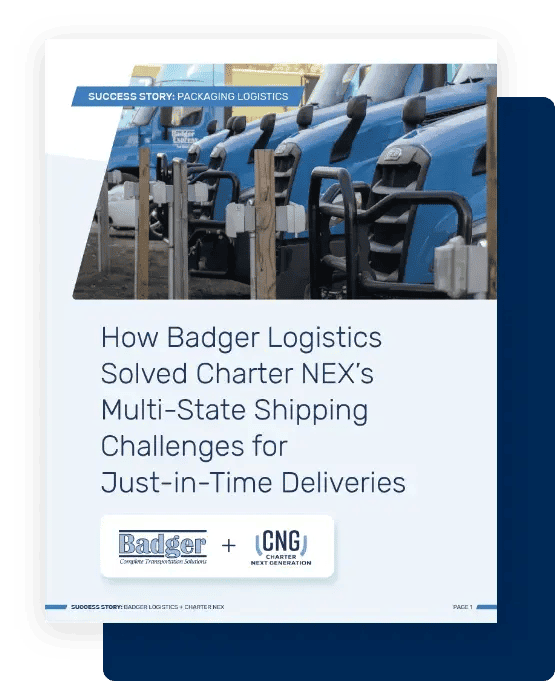
How Badger Logistics Solved Charter NEX’s Multi-State Shipping Challenges for Just-in-Time Deliveries
Talk to us
Drop us a line for information about our transportation services or to get a competitive rate quote. We’ll be in touch within one business day.
Have a freight project?
Prefer to Call?
"*" indicates required fields